Hackaday Links: March 8, 2026

As pointed out by Tom’s Hardware, it’s been 26 years since the introduction of the gigahertz desktop CPU. AMD beat Intel to the punch by dropping the 1 GHz Athlon chip on March 6th of 2000, and partnered with Compaq and Gateway (remember them?) to deliver pre-built machines featuring the speedy silicon just a week later. The archived press release announcing the availability of the chip makes for some interesting reading: AMD compares the accomplishment with Chuck Yeager breaking the sound barrier, and mentions a retail price of $1,299 for the CPU when purchased in 1,000 unit quantities. In response Intel “launched” their 1 GHz Pentium III chip two days later for $990, but supply problems kept it out of customer’s hands for most of the year.
Speaking of breaking a barrier, Mobile World Congress took place this week in Barcelona, where TechCrunch reports there was considerable interest in developing a sub-$50 smartphone. The GSM Association’s Handset Affordability Coalition is working with major telecom carriers in Africa and as of yet unnamed hardware partners to develop the low-cost 4G device with the hopes of bringing an additional 20 million people online. While the goal is worthy enough, industry insiders have pointed out that the skyrocketing cost of memory will make it particularly challenging to meet the group’s aspirational price point.
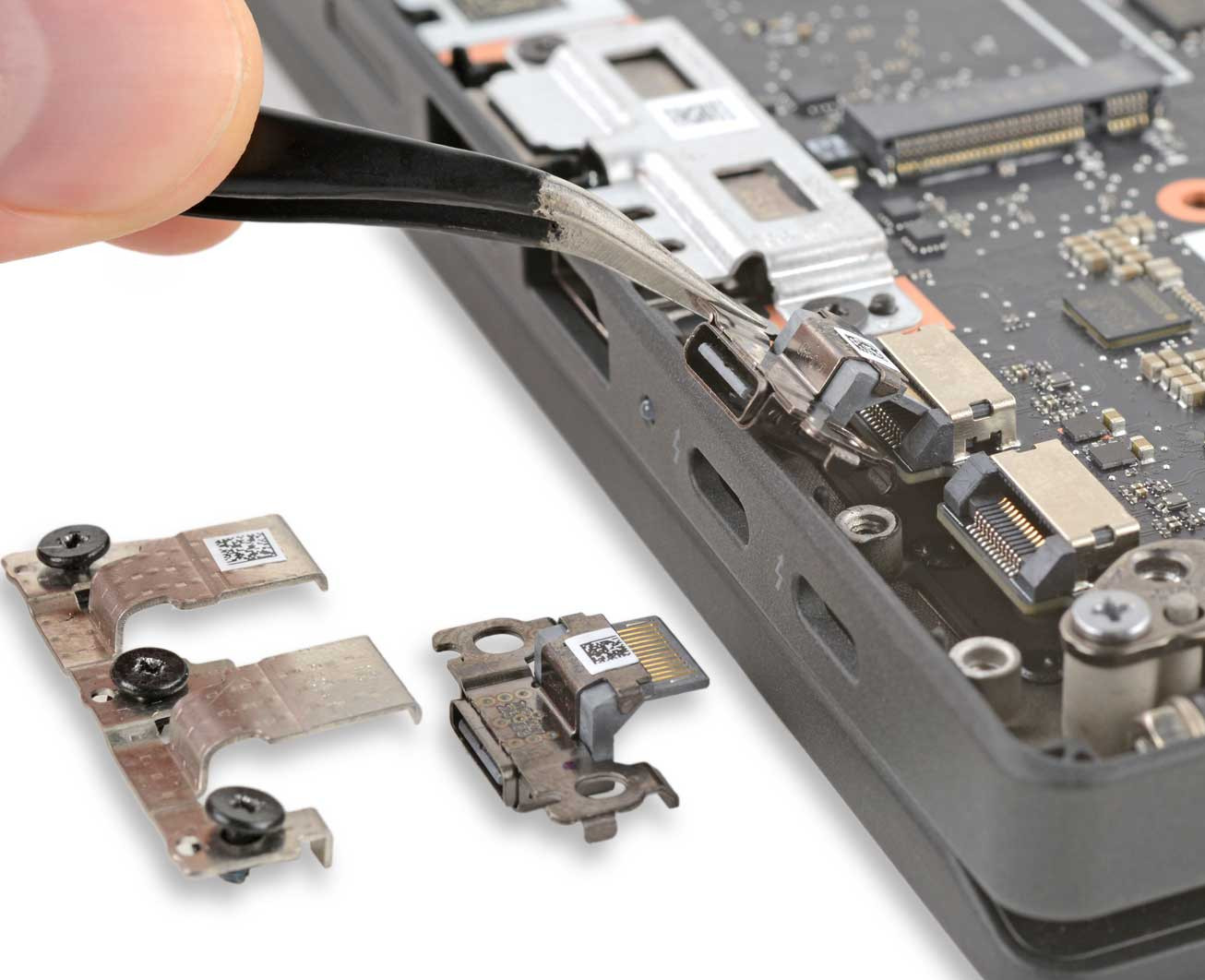
While we’re big fans of affordable hardware at Hackaday, we’re less enthusiastic when it comes at the cost of repairability. It seems that won’t be a problem with Lenovo’s new T14 and T16 ThinkPads however, as earlier this week iFixit announced they were giving the laptops a provisional repairability score of 10 out of 10. As impressive as this sounds, there’s a bit of a caveat here: Lenovo apparently achieved this milestone by working closely with iFixit to identify pain points that could be improved.
Of course, this doesn’t invalidate the work both companies put into these new machines, but you do have to wonder if it didn’t put a thumb on the scale. To address this there’s an Editor’s Note at the top of the post denying that any preferential treatment was given while scoring.
Although we’re thrilled to see a manufacturer other than Framework actually put effort into making their laptops cheaper and easier to repair, it’s a shame that things have gotten to the point that repairability is now considered a special feature. We’re not just talking about computers either; modern cars are notoriously difficult to work on, and electrics doubly so. Which is what makes the Aria EV so appealing.
Developed by students at the Eindhoven University of Technology in the Netherlands, the electric car is designed to be as repairable as possible. Before you get too excited, the idea isn’t to try and get the car to market. In fact, the team cautions that the vehicle isn’t technically street legal. Rather it serves as an technical demonstrator and test bed for concepts that one day the major players might include in their own vehicles, such as using multiple smaller battery packs that are easier to service than one gargantuan array of cells.
Finally, we’re not quite sure how long it’s been around, but we’ve been having a blast browsing through Famelack recently. It allows you to watch free Internet TV streams from all over the world right in your browser. The About page mentions several open source projects being used under the hood, such as Three.js, which powers the slick 3D globe used to select which country you want to tune into. Perhaps most notably however, it’s using the collection of streams curated by the iptv-org project, a valuable resource to keep in mind for future projects. If you end up watching anything particularly noteworthy, let us know in the comments.
See something interesting that you think would be a good fit for our weekly Links column? Drop us a line, we’d love to hear about it.
from Blog – Hackaday https://ift.tt/JdHkIP4


Comments
Post a Comment